There was a time when spending a day at Disney’s Animal Kingdom felt like an intentional change of pace. You could wander tree-lined paths, catch a live show, explore animal trails, and still knock out the major rides without feeling rushed. It had breathing room built into its design.

Now, though, that breathing room feels tighter.
With single-day tickets reaching $119, guests are paying full theme park prices for a park that is currently operating without two of its largest sections. And as capacity shrinks while prices hold steady, Animal Kingdom faces a serious crowd challenge that’s becoming harder to ignore.
Two Entire Areas Are Now Closed
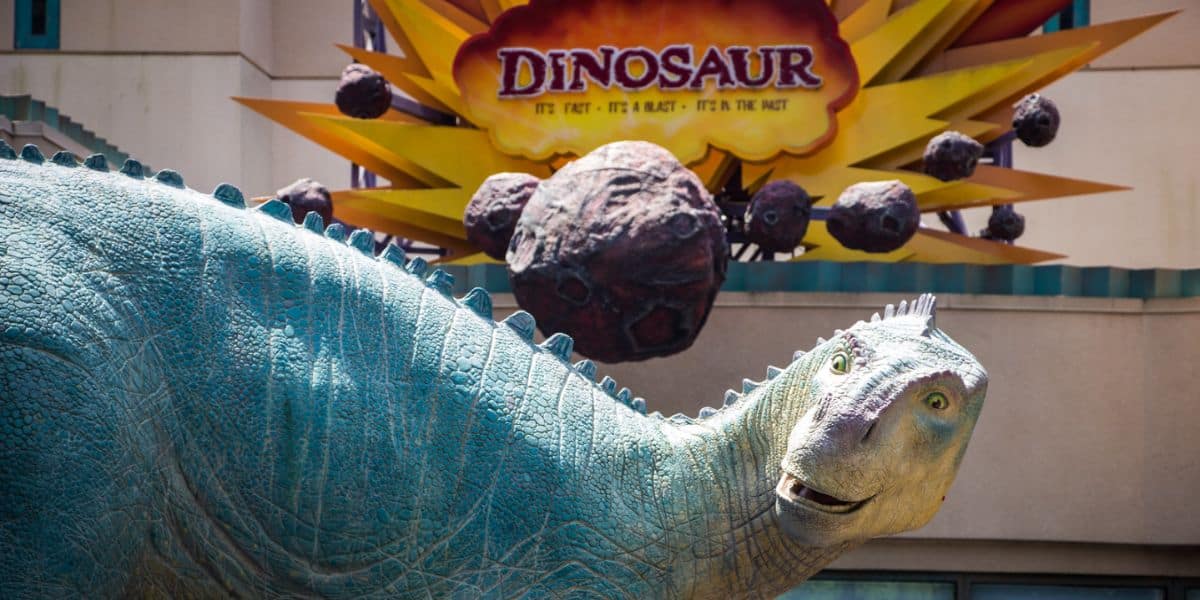
Let’s start with the most important detail: Dinoland is closed. Completely.
That entire land — once home to attractions, dining, character meet-and-greets, and walk-through experiences — is no longer absorbing guests. Whether you loved it or thought it needed updating, Dinoland represented a significant portion of the park’s footprint and ride capacity.
And it’s not the only loss.
Rafiki’s Planet Watch is now closed as well. That area, accessible by the Wildlife Express Train, offered interactive experiences, educational exhibits, and the Affection Section petting zoo. While it wasn’t packed with thrill rides, it provided something critical: space. It gave families another place to explore. It pulled guests away from Pandora, Africa, and Asia.
With both Dinoland and Rafiki’s Planet Watch offline, Animal Kingdom has lost two major guest-distribution zones.
That matters more than people realize.
A Shrinking Ride Roster
Even before these closures, Animal Kingdom had a smaller ride lineup than the other Walt Disney World parks. Now, with Dinoland shuttered, the attraction count feels even leaner.
Guests are primarily rotating through:
-
Avatar Flight of Passage
-
Na’vi River Journey
-
Expedition Everest
-
Dinosaur (now closed with Dinoland)
-
Kali River Rapids (seasonal)
When you remove Dinosaur along with Dinoland’s offerings, the number of major ride experiences tightens quickly. That leaves a handful of true headliners carrying the weight of the entire park’s attendance.
And remember — the ticket price didn’t shrink with the ride count.
It’s still $119.
Full Price, Partial Park
Here’s where the value conversation gets complicated.
Animal Kingdom is charging the same entry rate as parks with significantly larger ride inventories. There’s no “construction discount.” No reduced rate for a transitional phase. Guests are paying standard pricing during a period when two large sections are unavailable.
For seasoned visitors who understand the expansion plans, that might feel like a temporary inconvenience. But for first-time families? It can feel confusing.
They see fewer open areas. They see longer waits. They see $119 on the receipt.
And they start doing comparisons.
Crowd Compression Is Getting Real
Animal Kingdom’s layout has always been immersive but not built for heavy traffic surges. The pathways twist. The lands feel tucked away. That design creates atmosphere — but it can also create bottlenecks.
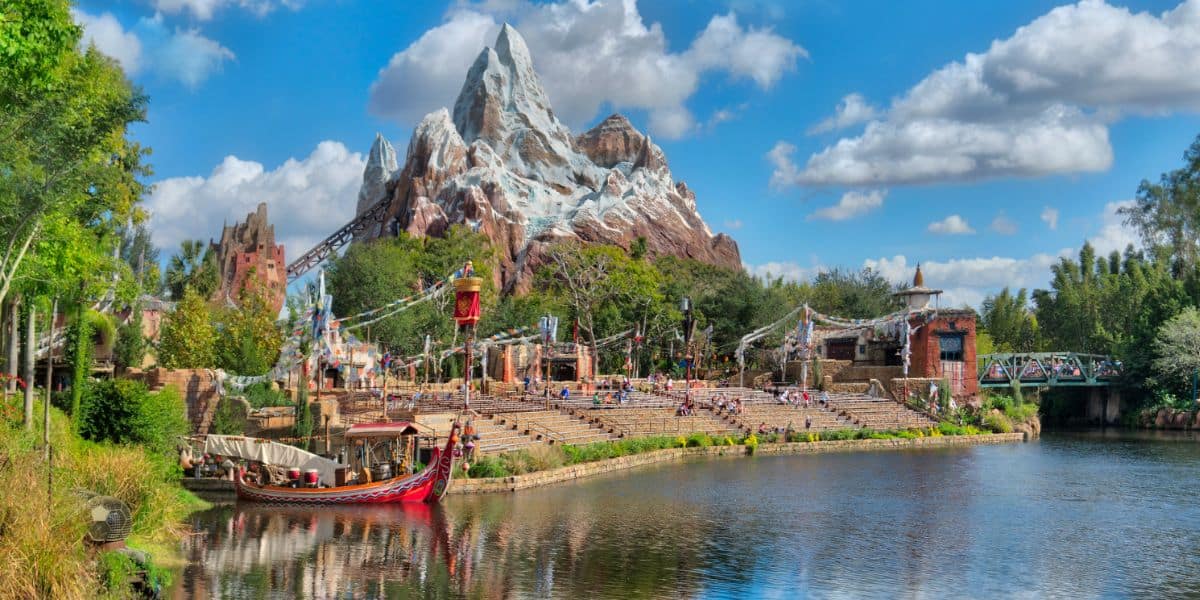
With Dinoland gone and Rafiki’s Planet Watch closed, guests funnel into fewer available spaces. Pandora becomes a magnet. Africa fills quickly around Kilimanjaro Safaris. Asia absorbs overflow with Expedition Everest.
There’s less room to breathe.
On peak days, that translates into longer waits across the board. When one major attraction experiences downtime, the ripple effect spreads faster because there aren’t enough alternative experiences to absorb displaced crowds.
The result? A park that can feel packed despite offering fewer open sections than ever before.
Lightning Lane Adds Pressure
The Lightning Lane system also feels tighter in a park with reduced capacity.
With fewer attractions participating, availability can disappear quickly. If guests don’t secure early return windows for Avatar Flight of Passage or Kilimanjaro Safaris, standby becomes the only option — and standby times climb fast.

In parks with deeper ride inventories, Lightning Lane demand spreads out. In Animal Kingdom’s current state, it concentrates.
That makes a $119 ticket feel even more scrutinized.
The Expansion Clock Is Ticking
To be clear, Disney isn’t closing these areas without a plan. Animal Kingdom is entering a new chapter. The closure of Dinoland signals transformation. But transformation takes time.
Until new attractions physically open, the park operates in a reduced-capacity phase.
Guests aren’t buying future experiences. They’re buying today’s lineup.
And today’s lineup is smaller than it has been in years.
It’s Still a Beautiful Park — But Expectations Have Changed
None of this means Animal Kingdom lacks quality. Avatar Flight of Passage remains one of the most advanced attractions in the world. Expedition Everest still delivers thrills. Kilimanjaro Safaris offers something no other Disney park can replicate.

The atmosphere is unmatched. The theming is detailed. The shade alone makes it one of the most comfortable parks in Florida.
But as prices rise, expectations rise with them.
When two large sections of the park are closed and the daily ticket still reads $119, guests naturally question value — especially during busy seasons when wait times stretch well beyond an hour for most major attractions.
The Struggle Ahead
Animal Kingdom isn’t failing. It’s transitioning.
But transitions are messy. They create temporary strain. And right now, that strain shows up in crowd density and perception of value.
With Dinoland closed and Rafiki’s Planet Watch unavailable, guest flow has fewer outlets. Ride capacity has tightened. Lightning Lane competition has intensified.
And the price hasn’t budged.
If Disney wants Animal Kingdom to feel worth every dollar during this period, expansion momentum will be critical. Until then, the park faces a challenging balance: charging premium prices while operating without two significant areas.
For guests planning trips in the near future, understanding that reality matters. Because at $119 per day, expectations aren’t low.
And neither are the crowds.
The post Walt Disney World Now Charging $119 for a Half-Day Theme Park Day appeared first on Inside the Magic.